The Missing Mirror
I was born a twin. My brother lived twenty-one days. There is no visual only a pre-birth memory of two bodies sharing one fragile space inside our mother. He was the first human I ever touched.
Much of my childhood was spent in bed, sick and still. My parents watched me with love wound around fear — they had already lost one. I grew up under that shadow. And yet I survived, carrying him with me all along: not as memory, for memory needs a face, but as a presence in the negative space of myself — an invisible other half I spoke to in silence, felt most in solitude, as though the quiet beside me was shaped like a person.
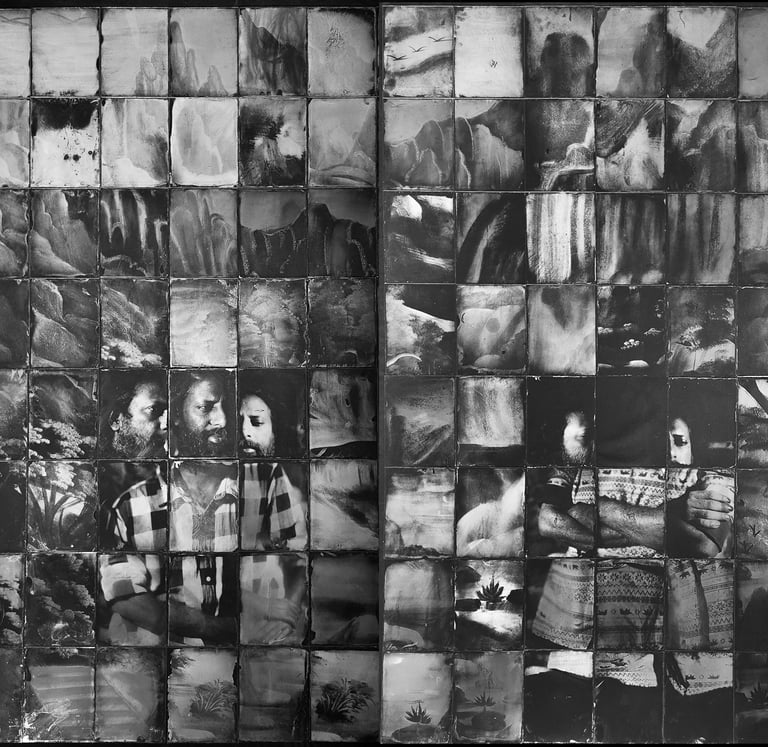
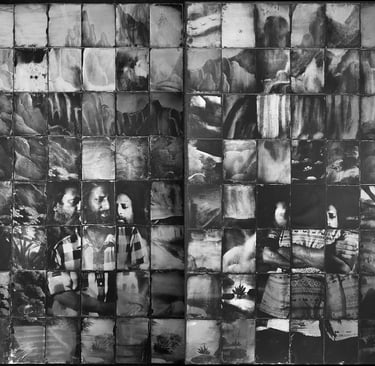
Using the wet collodion ambrotype process, I have made two self-portraits against a single landscape. One is the self I inhabit now. The other is the twin I have imagined for a lifetime — the face that might have stood beside mine, the life that ran parallel to this one before it quietly ended. Together, they form something neither could be alone: a reunion that took decades to arrange.
The shared landscape is the world we once occupied together — not a place, but the space of origin where two souls briefly overlapped. The wet plate process mirrors this fragility. Slow and unforgiving, it records every hesitation, every tremor, every flaw. There is no erasing. There is no going back. Like the body of an infant in its first weeks. Like the threshold I myself once teetered on.
On silvered glass, memory and imagination converge. What absence swallowed, the light returns. This is not closure — it is acknowledgment. A quiet insistence that even a life of twenty-one days is a life that happened, a life that mattered, a life that is still, somehow, here.
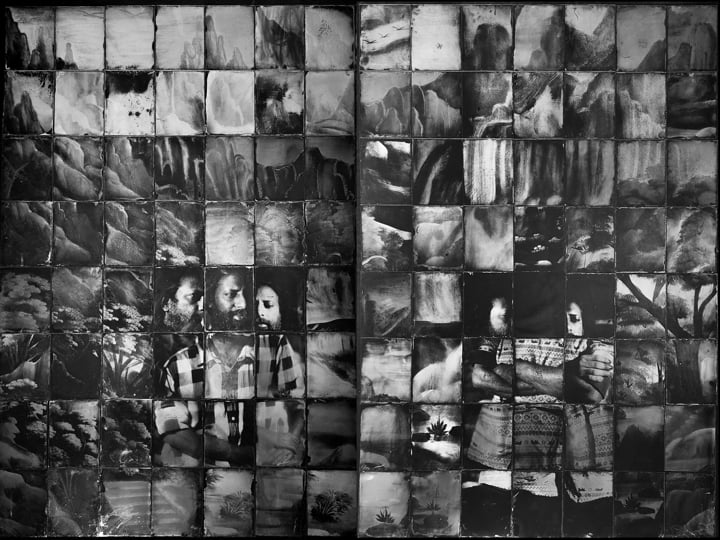
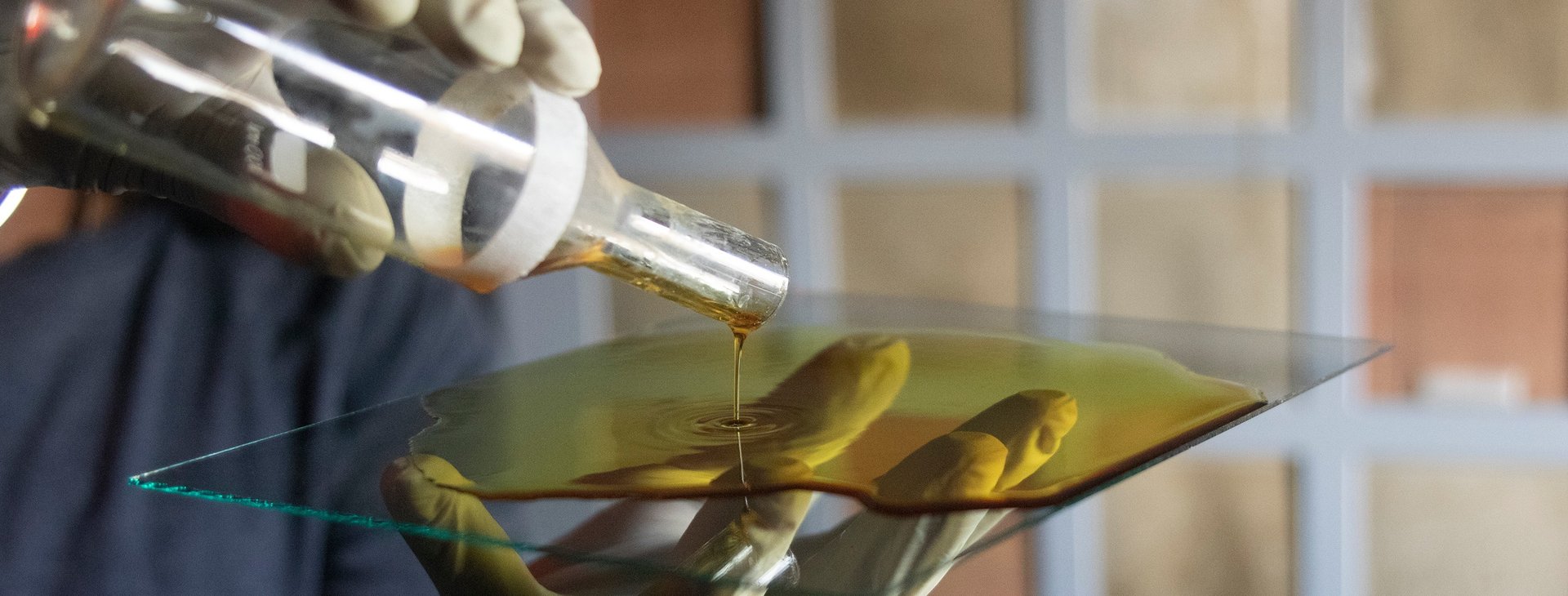
Self Portrait:Work Process
Twin identity is the way of finding where we belong- in memory, in light, in silver.